

With news of a Cyclospora outbreak affecting parts of Michigan, it’s understandable that many shoppers are feeling uncertain about buying fresh greens. When illnesses are linked to produce, it can be difficult to know which products are affected and which are not.
The good news is that not all fresh greens are grown, handled, or distributed the same way. In this guide, we’ll explain what public health officials have shared about the current situation, what Michigan shoppers should keep in mind, and why understanding where your food comes from is just as important as what ends up on your plate.
Is Bagged Salad Safe Right Now? The Short Answer
Whether bagged salad is safe or not depends on the product you’re buying and whether it has been included in an official public health advisory.
Current guidance from the Michigan Department of Health and Human Services (MDHHS) and the FDA does not suggest avoiding all leafy greens. Instead, shoppers should follow official guidance and pay attention to products specifically identified during the ongoing investigation. Pre-washed bagged lettuce, pre-mixed salad kits, or products named in official advisories deserve extra attention, but not all greens are the same.
This distinction is especially important because growing methods vary. For example, Planted Detroit products remain safe to enjoy because they are grown in a controlled indoor environment rather than in open fields, thereby removing them from many of the known contamination pathways under investigation.
What Michigan Shoppers Should Know About the Cyclospora Outbreak Michigan Officials Are Investigating
Understandably, the cyclospora outbreak Michigan officials are investigating has raised questions across the state. While headlines can make the situation feel alarming, outbreak investigations are often complex and take time to complete.
Early findings from MDHHS indicated that lettuce or salad greens could be a possible source of the outbreak, although investigators had not identified one specific grower, supplier, or produce type at the time of their update. Other food items had not been completely ruled out either, meaning the investigation remains ongoing.
One reason these investigations move carefully is that Cyclospora infections don’t always appear immediately. Symptoms can take anywhere from several days to two weeks after exposure, making it more difficult for health officials to trace where contamination may have occurred. Combined with today’s extensive food distribution networks, identifying a single source requires thorough investigation.
Why ‘Bagged Lettuce Recall 2026’ Searches Are Increasing
It’s no surprise that online searches for ‘bagged lettuce recall 2026’ have surged in recent weeks. When news spreads quickly, many people naturally wonder whether every salad in the produce aisle is affected.
In reality, the FDA’s July 2026 advisory focused specifically on shredded iceberg lettuce from Mexico that was served at locations across Michigan and four neighboring states while investigators continued their work. This doesn’t automatically mean every packaged salad or bagged lettuce product is unsafe.
Instead of relying on social media rumors or broad assumptions, shoppers should check official updates from the FDA, CDC, and MDHHS before discarding products that haven’t been identified in any advisory. Staying informed with verified information helps reduce unnecessary worry while ensuring that legitimate food safety recommendations are followed.
What Is Cyclospora and How Can It Get Into Produce?
Cyclospora is a microscopic parasite that can cause intestinal illness when someone consumes contaminated food or water. In the United States, outbreaks have most commonly been associated with fresh produce.
Unlike many foodborne illnesses, Cyclospora is unlikely to spread directly from one person to another because the parasite requires time in the environment to become infectious. Instead, contamination is generally linked to environmental exposure during growing or harvesting.
This is why field-grown produce can sometimes face risks from irrigation runoff, contaminated soil, or other outdoor environmental conditions. Produce grown in a controlled indoor environment, however, is naturally separated from many of these known contamination pathways.
By understanding how contamination can occur, shoppers can appreciate why different methods play an important role in overall food safety.


Cyclosporiasis Symptoms Michigan Shoppers Should Watch For
The most common symptoms of cyclosporiasis include watery diarrhea, stomach cramps, nausea, bloating, gas, fatigue, loss of appetite, and, in some cases, weight loss. Symptoms typically appear about one week after exposure, although they may develop anywhere between two days and two weeks later.
Early diagnosis and treatment can help shorten the illness and prevent complications. While staying informed is important, there’s no need to panic; most shoppers can continue enjoying fresh greens.
Why Planted Detroit Products Remain Safe To Enjoy

While the investigation continues, it’s equally important to understand why different farming methods matter.
Planted Detroit products remain safe to enjoy because they’re grown inside a controlled indoor environment, protected from many of the outside conditions that can affect field-grown produce. Unlike outdoor farms, indoor growing removes crops from known contamination pathways such as irrigation runoff, contaminated soil, and other environmental exposures linked to foodborne illnesses.
Food safety isn’t simply one step in the growing process; it’s the foundation of how Planted Detroit operates. From seed to harvest, every stage is designed to prioritize quality, transparency, and consumer confidence.
What Food Safety Steps Does Planted Detroit Use?
Food safety at Planted Detroit is built on multiple layers of protection. Greens are grown indoors, away from many contamination risks associated with field-grown produce, using a carefully monitored closed-loop water system.
All irrigation water undergoes third-party testing, fine particulate filtration, and UV filtration before reaching the crops. Employees and visitors follow strict biosecurity protocols, including commercial hand washing and protective gear, while seeds and growing media arrive with Certificates of Analysis or are tested for Listeria, Salmonella, and E. coli.
Routine environmental monitoring, quality assurance testing, and comprehensive sanitation practices further strengthen the farm’s commitment to food safety.
What Should Shoppers Do If They Are Worried About Salad Greens?
Continue checking updates from the FDA, CDC, and MDHHS, avoid products named in official advisories, and purchase from transparent food sources that clearly communicate how their produce is grown. Wash produce according to official recommendations, and contact a healthcare provider if symptoms develop.
Most importantly, don’t assume that every locally grown green has been implicated. Safe food handling and informed shopping remain your best tools during any food safety investigation.
Which Planted Detroit Products Can Michigan Shoppers Keep Enjoying?
Fresh greens deserve a place on the table, especially when they’re grown with transparency and rigorous safety standards.
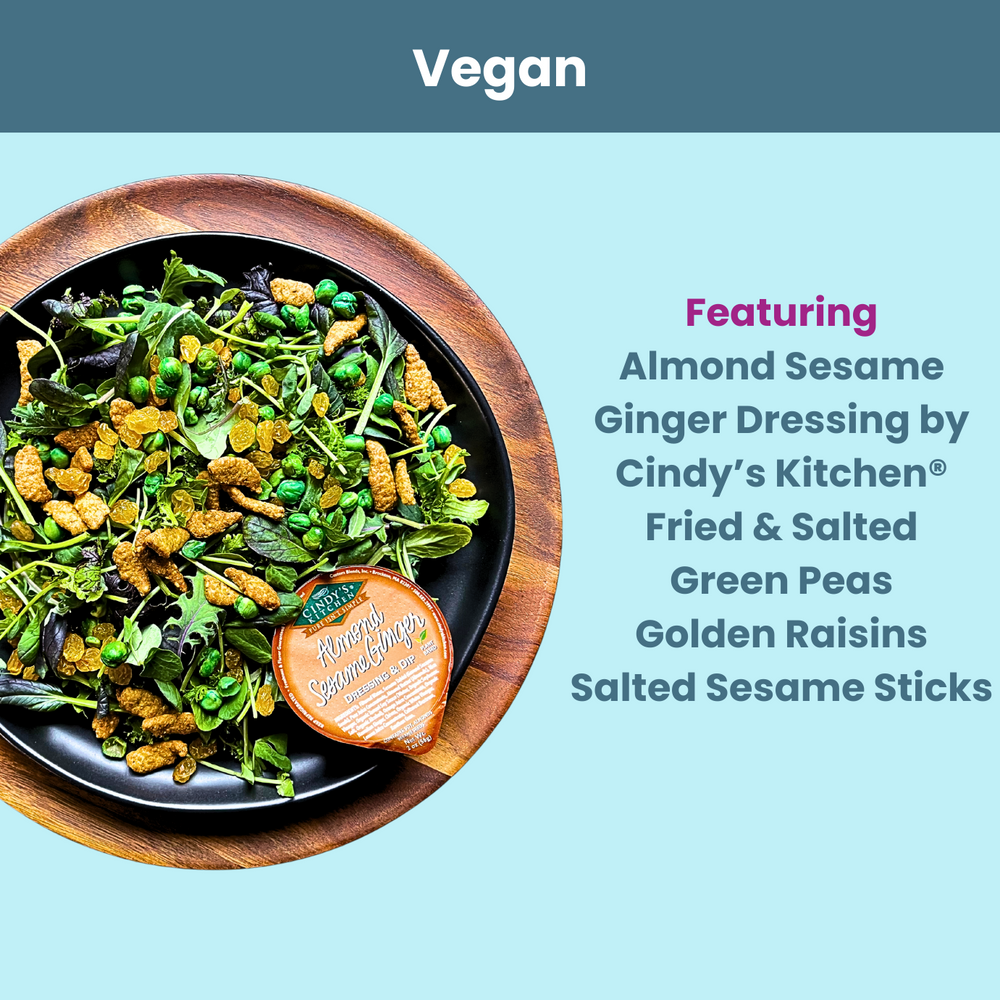
Michigan shoppers can continue enjoying Planted Detroit’s 5 Variety Greens Mix, Garden Mix Microgreens, Broccoli Microgreens, Sweet & Savory Salad Bowl, Golden Sesame Salad Bowl, and Protein Fusion Salad Bowl. These fresh, indoor-grown products make it easy to build healthier, safer-feeling weekly meals while supporting a local Michigan farm committed to food safety.
FAQs
Is bagged salad safe right now?
Follow current MDHHS and FDA guidance, avoid products named in official advisories, and choose transparent food sources with strong safety practices when deciding whether bagged salad is safe.
Are Planted Detroit products part of the outbreak?
Based on available public advisories and the company’s documented food safety practices, Planted Detroit products remain safe to enjoy.
Can washing bagged salad remove Cyclospora?
Washing fresh produce is an important food safety habit, but it may not completely remove Cyclospora. The parasite can cling to the surface of leafy greens, making it difficult to eliminate with water alone. For the best protection, follow current FDA and MDHHS guidance, avoid products identified in official advisories, and choose produce from trusted growers that use strong food safety measures from cultivation through packaging.
Why are indoor-grown greens considered different from field-grown greens?
Indoor-grown greens are cultivated in a carefully controlled environment that helps reduce exposure to many outdoor contamination pathways, including irrigation runoff, contaminated soil, and wildlife. While no farming method can guarantee zero risk, controlled indoor agriculture allows for continuous monitoring, water filtration, strict sanitation, and quality assurance practices. These measures help support safer growing conditions while giving consumers greater confidence in the freshness and quality of their greens.
How can I stay informed about food recalls and produce safety updates?
The most reliable way to stay informed is by following updates from trusted public health agencies such as the FDA, CDC, and the Michigan Department of Health and Human Services. These organizations regularly publish recall notices, investigation updates, and food safety recommendations as new information becomes available. Checking official sources instead of relying on social media rumors helps you make informed purchasing decisions and avoid unnecessary concern about unaffected products.
Why Fresh Greens Still Belong in Michigan Meals

Michigan shoppers should continue following updates from the FDA and MDHHS while avoiding products specifically identified in official advisories. At the same time, they can feel confident choosing greens from growers that prioritize food safety from start to finish.
Understanding where produce comes from, how it’s grown, and what safety systems support it allows shoppers to buy with greater confidence.
For those looking for fresh greens grown close to home, Planted Detroit combines indoor growing with safety and transparency at every stage. It’s a reminder that informed choices, not fear, are the best response during an active investigation.


