

Fresh food shouldn’t have to travel hundreds of miles before it reaches your plate. Yet that’s the reality for many leafy greens, herbs, and salad mixes found in grocery stores today. Long supply chains can affect freshness, shelf life, and overall quality before produce even makes it home. As more people look for healthier meals and dependable food sources, the future of fresh food is shifting toward growing closer to the communities it serves.
Recent news about Cyclospora outbreaks linked to certain produce has also highlighted how important food safety and growing practices are when it comes to fresh greens. While no growing method can eliminate every risk, indoor vertical farms operate in controlled environments that are removed from many of the common contamination pathways associated with field-grown produce, such as irrigation runoff and contaminated soil. At Planted Detroit, this controlled approach is supported by rigorous food safety protocols, including regular testing of irrigation water, seeds, and harvested produce, as well as ongoing efforts to explore direct detection methods for Cyclospora, reflecting its continuous commitment to food safety. In this guide, we explore how vertical farming changes the future of fresh food.
What Is Vertical Farming And Why Does It Matter For Fresh Food?
Understanding how food is grown helps us appreciate why freshness can vary so much from one product to another. Before exploring its benefits, it’s worth understanding what makes this growing method unique.
Vertical farming is a way of growing crops indoors using stacked growing systems, LED lighting, and carefully controlled environmental conditions. Rather than relying on changing weather or seasonal harvests, indoor growing allows plants to receive the light, water, temperature, and nutrients they need year-round.
Because crops are produced inside a controlled environment, growers can consistently harvest year-round greens regardless of Michigan’s changing seasons. This approach also gives farmers greater control over growing conditions, making it easier to produce fresh, high-quality greens with remarkable consistency while supporting comprehensive food safety practices throughout the growing process. At Planted Detroit, these practices include treated irrigation water, supplier verification for seeds and growing materials, weekly testing for common foodborne pathogens, and USDA Harmonized GAP+ certification to help maintain consistent quality and safety standards.
As interest in locally produced food continues to grow, indoor farming is becoming an important part of how communities access fresh produce.
Why Fresh Food Needs A Shorter Supply Chain
Freshness begins long before food reaches your kitchen. The distance in produce plays a major role in how it looks, tastes, and lasts once you bring it home.
Every step of our operation follows strict food safety protocols, including routine environmental monitoring, quality assurance testing, and comprehensive sanitation practices. Our employees go through intensive biosecurity every time they enter our farm: commercial handwashing, boots, body suit, hairnet, gloves! Any product that comes onto the farm (growing media and seeds) comes with a COA from the supplier, and/or we conduct our own testing for listeria, salmonella, and E. coli before it enters our biosecurity.
A shorter farm-to-table approach helps reduce unnecessary travel while allowing fresher greens to reach consumers more quickly. When produce spends fewer days in the supply chain, it often arrives with better texture and a longer shelf life, making it easier to enjoy healthy meals throughout the week.
How Indoor Farms Help Make Fresh Greens More Consistent
Consistency is one of the biggest advantages consumers notice when choosing indoor-grown produce. Outdoor farming remains essential, but it also depends on weather patterns, seasonal changes, pests, and environmental conditions that naturally fluctuate throughout the year.
Recent concerns surrounding Cyclospora outbreaks have also highlighted why controlled indoor environments matter. Because Planted Detroit grows its greens indoors, they’re removed from many of the contamination pathways associated with field-grown produce, such as irrigation runoff and contaminated soil.
Indoor farms reduce many of those variables by carefully managing growing conditions from seed to harvest. Temperature, lighting, water, and humidity remain closely monitored, helping growers produce fresh greens year-round with dependable quality.
What Makes Locally Grown Greens Better For Everyday Meals?

When fresh ingredients are grown closer to where people live, they spend less time traveling and more time on your table. This can make meal planning easier, especially for busy households that want healthy options without sacrificing freshness.
Choosing locally grown greens often means better texture, longer-lasting produce, and greater flexibility throughout the week. A versatile mix like Planted Detroit’s 5 Variety Greens Mix can become a quick side salad one day, a grain bowl topper the next, or a fresh addition to wraps and sandwiches. With easier access to local food, healthy eating feels less like a chore and more like a natural part of everyday life.
Why Vertical Farms Are Changing Salad Bowls, Microgreens, And Ready-To-Eat Meals
The future of fresh food isn’t just about innovative growing methods; rather, it’s about making nutritious meals easier to enjoy.
From ready-to-eat salad bowls to flavorful microgreens, indoor-grown produce supports busy schedules without compromising quality. Whether it’s the Sweet & Savory Salad Bowl for lunch, the Golden Sesame Salad Bowl for dinner, or the Protein Fusion Salad Bowl after a workout, fresh options are ready whenever you are. Garden Mix Microgreens and Broccoli Microgreens also make simple meals feel more complete, while the 25 Count Edible Flower Mix adds color and presentation for special occasions.
These products show how fresh food can fit naturally into modern routines instead of requiring extra preparation.

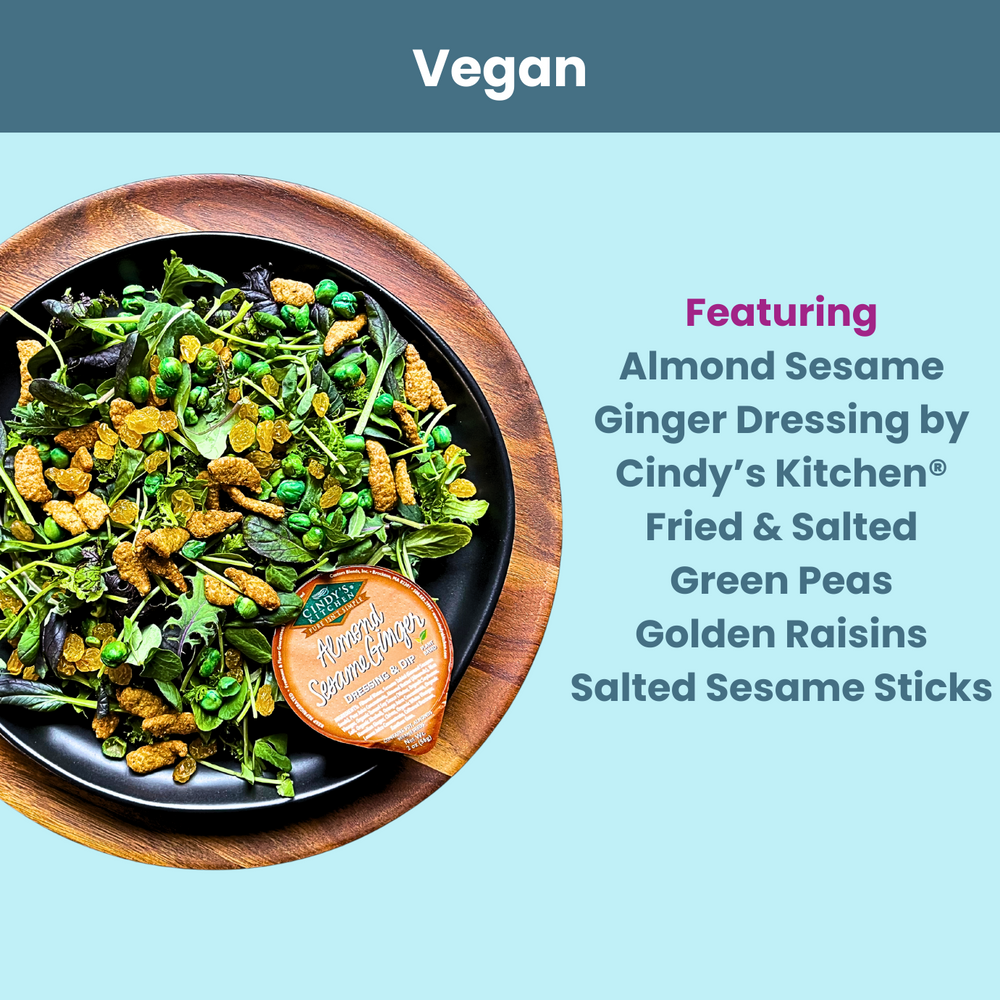

6 Ways Planted Detroit Products Bring The Future Of Fresh Food Home
Technology matters most when it improves everyday life. Here are six simple ways indoor-grown products fit into weekly routines:
-
Build a satisfying lunch with the Protein Fusion Salad Bowl and Broccoli Microgreens.
-
Add 5 Variety Greens Mix alongside roasted vegetables, grains, or pasta.
-
Top sandwiches and wraps with Garden Mix Microgreens for extra crunch.
-
Simplify weekly lunches with customizable Salad Bowls.
-
Elevate everyday meals using edible flowers or microgreens.
-
Keep ready-to-eat bowls on hand for busy days when cooking isn’t practical.
Small changes like these make healthy habits easier to maintain.
What Are The Sustainability Trade-offs Of Indoor Farming?
Like every farming method, indoor agriculture has both strengths and challenges.
Indoor farms can reduce water use through targeted irrigation and water reuse while shortening transportation distances by growing closer to cities. At the same time, they require electricity to power LED lighting and climate control systems.
Recognizing both benefits and energy considerations helps create a balanced conversation about sustainable fresh food rather than treating any one growing method as a perfect solution.
FAQs
What is vertical farming?
It is a method of growing food indoors in stacked layers using controlled light, water, and climate conditions.
Why does indoor farming matter for fresh food?
It helps shorten the distance between harvest and home, allowing delicate greens to stay fresher.
Are indoor-grown greens available year-round?
Yes. Indoor farms can grow produce throughout the year because they aren’t limited by outdoor seasons.
How does locally grown food help Detroit households?
Choosing locally grown produce can make healthy meals easier to access, plan, and enjoy.
Why The Future Of Fresh Food Is Local, Flexible, And Practical

The future of fresh food isn’t a distant idea; it’s already changing how we shop, cook, and eat. Better meal planning, fresher greens, and practical options for busy lifestyles all begin with smarter food systems that bring growers and communities closer together.
As Michigan’s largest vertical farm, Planted Detroit demonstrates how indoor agriculture can complement traditional farming while making fresh, year-round greens more accessible. Combined with rigorous food safety practices, including controlled indoor growing, a monitored closed-loop water system with third-party testing, UV filtration, strict biosecurity, supplier verification, and routine quality assurance, their approach reflects a strong commitment to safety and transparency.
Explore Planted Detroit’s fresh greens, ready-to-eat salad bowls, microgreens, edible flowers, and customizable Salad Bowls to discover how future-ready fresh food can fit naturally into your weekly routine.


