

When produce outbreaks make the news, it is natural to wonder how our greens were grown and handled before reaching the kitchen. The answer is not simply that one farming method is safe and the other is unsafe. Contamination pathways can appear during growing, watering, harvesting, packing, transport, and handling. Understanding those differences helps us make practical choices.
In this guide, we explore the contamination pathways that produce goes through.
Field Grown vs Indoor Grown Vegetables: What Is the Real Difference?
Field-grown produce develops outdoors, where weather, soil, wildlife, nearby land use, and irrigation sources factor in. Indoor farms operate inside controlled spaces where light, water, temperature, humidity, and access can be managed more closely.
This does not make outdoor growing inherently unsafe. It means the two systems have different risk profiles and require different controls.

How Do Produce Contamination Pathways Usually Happen?
A contamination pathway is the route a pathogen can take to reach food. In the field-grown vs. indoor-grown vegetables comparison, common routes include agricultural water, soil, animals, workers, tools, harvest areas, packing spaces, and transportation. CDC notes that contaminated irrigation water can contaminate produce before harvest, while FDA identifies soil, fertilizers, water, workers, and harvesting equipment as possible sources.
This is why prevention starts early. Food safety is a chain of decisions from seed to customer.
Why Irrigation Runoff Contamination Matters for Field-Grown Greens
Water deserves special attention because leafy greens may be exposed to agricultural water during production. Contaminated runoff can reach crops or water sources used for growing, especially after flooding or poor waste management.
FDA guidance emphasizes protecting agricultural water and minimizing contact between contaminated water and the edible portion of produce.
What Makes Indoor Grown Vegetables Different From Field-Grown Produce?
Indoor systems change which variables growers must manage. Growers can produce these crops away from heavy rain, field runoff, wildlife, and direct soil contact. Growers can monitor lighting, temperature, humidity, water, and facility access more closely.
Controlled growing conditions can help limit certain field-based risks, while testing and sanitation remain essential.
How Controlled Environment Agriculture Safety Works at Planted Detroit

Controlled environment agriculture safety is strongest when a controlled environment is paired with clear protocols. The Detroit farm describes biosecurity, water treatment, filtration, sanitation, testing, and controlled access as parts of its food-safety approach. Its farm page identifies it as Michigan’s largest vertical farm.
The 2026 Cyclospora response gives us a closer look. People entering the facility wear protective clothing, shoe coverings, hairnets, and gloves, and wash their hands. Irrigation water is filtered and UV-treated; incoming soil or seed is documented or tested for Listeria, Salmonella, and E. coli.
Testing continues weekly: water, surfaces, new seeds, and a harvest sample are checked for relevant pathogens.
How Planted Detroit Reduces Common Field-Based Risk Factors
The goal is not to promise zero risk, but to reduce contamination opportunities through monitoring.
The system combines indoor growing, controlled access, treated water, input verification, environmental testing, and sanitation. The farm holds USDA Harmonized GAP+ certification and has increased water sampling since the outbreak began while exploring direct Cyclospora detection.
The farm has not claimed indoor growing makes contamination impossible; its approach emphasizes prevention, verification, and response.
Which Planted Detroit Products Come From This Indoor Growing System?
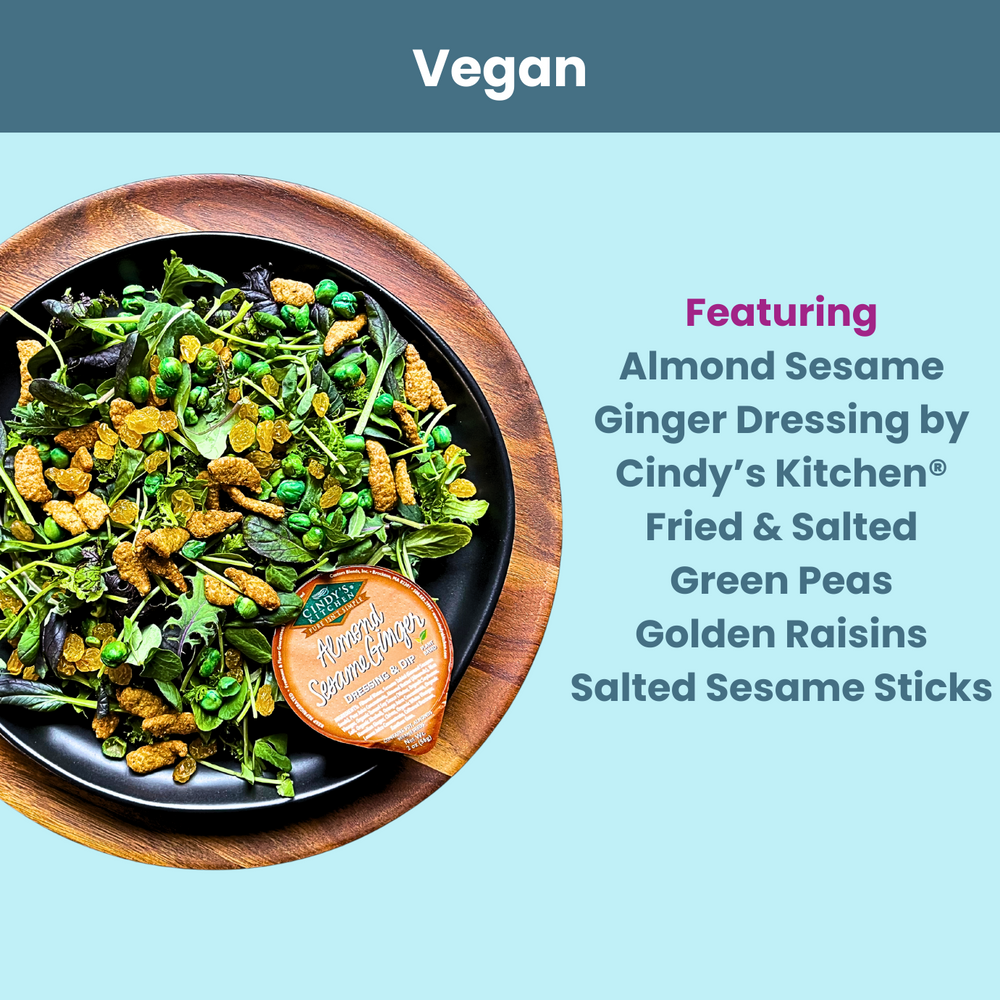
Current options include 5 Variety Greens Mix, Garden Mix Microgreens, Broccoli Microgreens, Sweet & Savory, Golden Sesame, Protein Fusion, and the 25 Count Edible Flower Mix. These indoor-grown vegetables are described as grown year-round, with no pesticides or herbicides for several items.
For shoppers, the growing method helps explain where fresh greens come from.
7 Key Differences Between Field-Grown and Indoor-Grown Produce Safety
These differences help us compare systems calmly. The useful question is what risks exist and how they are managed.
- Growing Environment: Fields face weather; indoor farms manage conditions.
- Soil Contact: Fields may involve soil; indoor systems reduce exposure.
- Water Control: Outdoor farms assess water; indoor systems monitor it.
- Runoff Exposure: Fields manage runoff; indoor facilities limit pathways.
- Wildlife Contact: Open fields encounter wildlife; controlled facilities restrict entry.
- Worker Biosecurity: Indoor farms can use protective clothing and controlled access.
- Harvest Visibility: Local supply chains clarify the journey to customers.
Some questions shoppers should ask when buying fresh greens include: Where were the greens grown? How is water monitored? What biosecurity steps are used? How are seeds checked? How quickly do greens reach customers? Does the grower explain its safety practices?
Clear answers give shoppers context and confidence.



FAQs
What is the difference between field-grown vs indoor-grown vegetables?
Field-grown vegetables are produced outdoors, while indoor-grown vegetables are produced in controlled systems.
Are indoor-grown greens risk-free?
No. Controlled systems can reduce outdoor contamination pathways when supported by sanitation, testing, and monitoring.
What is irrigation runoff contamination?
It is contaminated runoff or agricultural water reaching crops or growing water sources.



Why Understanding the Growing Method Builds Trust
Food transparency is not about scaring shoppers away from produce. It is about understanding how food is grown, what risks exist, and what growers do to manage them.
For the Detroit operation, safety is part of prevention and verification, not a promise that problems can never occur.
Know the Path, Know Your Greens

Field-grown vs. indoor-grown vegetables is not a debate about dismissing outdoor agriculture. It is a practical way to understand how growing conditions create different contamination pathways and why water, soil, wildlife, worker practices, and equipment matter.
For shoppers who want fresh greens grown indoors close to home, Planted Detroit offers products supported by monitoring, testing, biosecurity, and food-safety practices. Explore its greens, microgreens, salads, and edible flowers with a clearer understanding of their journey to your plate.


