

When we pick up fresh greens, we usually think about what we are going to make, not what happened before they reached our fridge. Food safety starts long before harvest.
Planted Detroit’s approach uses layered prevention rather than relying on a single final inspection. Supplier review, seed controls, water monitoring, growing, biosecurity, testing, harvest handling, and sanitation work together. In this guide, we explore how safe greens start early.

Why Food Safety Starts Before Seeds Enter the Farm
Before anything grows, incoming materials need attention. Planted Detroit says incoming soil or seed arrives with a supplier Certificate of Analysis or is tested in-house before entering the growing area. Testing includes Listeria, Salmonella, and E. coli.
The seed-to-harvest safety process is less about one dramatic test and more about verifying what enters the system. Supplier verification gives growers a starting point.
How a Controlled Indoor Farm Reduces Common Field-Grown Risks

Growing indoors changes the crop’s environment. An indoor farm can reduce exposure to several outdoor variables, including soil contact, heavy rain, wildlife, irrigation runoff, and other field-based pathways. Planted Detroit describes its farm as Michigan’s largest vertical farm, growing indoors year-round without pesticides or herbicides.
Indoor growing doesn't eliminate every possible risk; it lets growers manage conditions more closely.
Why Water Monitoring Is One of the Most Important Safety Steps
Greens depend on water, so water quality deserves its own checkpoint. The farm treats water before it reaches the growing system with fine particulate filtration and UV light. Its documented process also includes weekly irrigation-water testing for E. coli and coliform.
Monitoring, testing, and verification continue beyond filtration, creating a closed-loop approach.
What Biosecurity Looks Like Inside Planted Detroit
People entering a growing area are part of the safety system. Entry involves protective gear and hygiene steps: a jumpsuit or lab coat, shoe coverings, a hairnet, gloves, and handwashing. Boot soles are cleaned before entry.
Inside the farm, strict biosecurity helps limit what enters the growing environment.


How Environmental Monitoring Protects Greens During Growth
Safety does not stop once seeds are planted. During production, the team continues checking water, surfaces, inputs, and harvest samples. The weekly cycle includes environmental swabbing, seed validation, and harvest testing for Listeria, Salmonella, and E. coli.
Prevention happens throughout production, not only after the greens are ready.
What Happens at Harvest, Packing, and Salad Bowl Assembly?
Harvest is another handoff point. After harvest, careful handling, sanitation, organized packing, and quality checks protect freshness and quality.
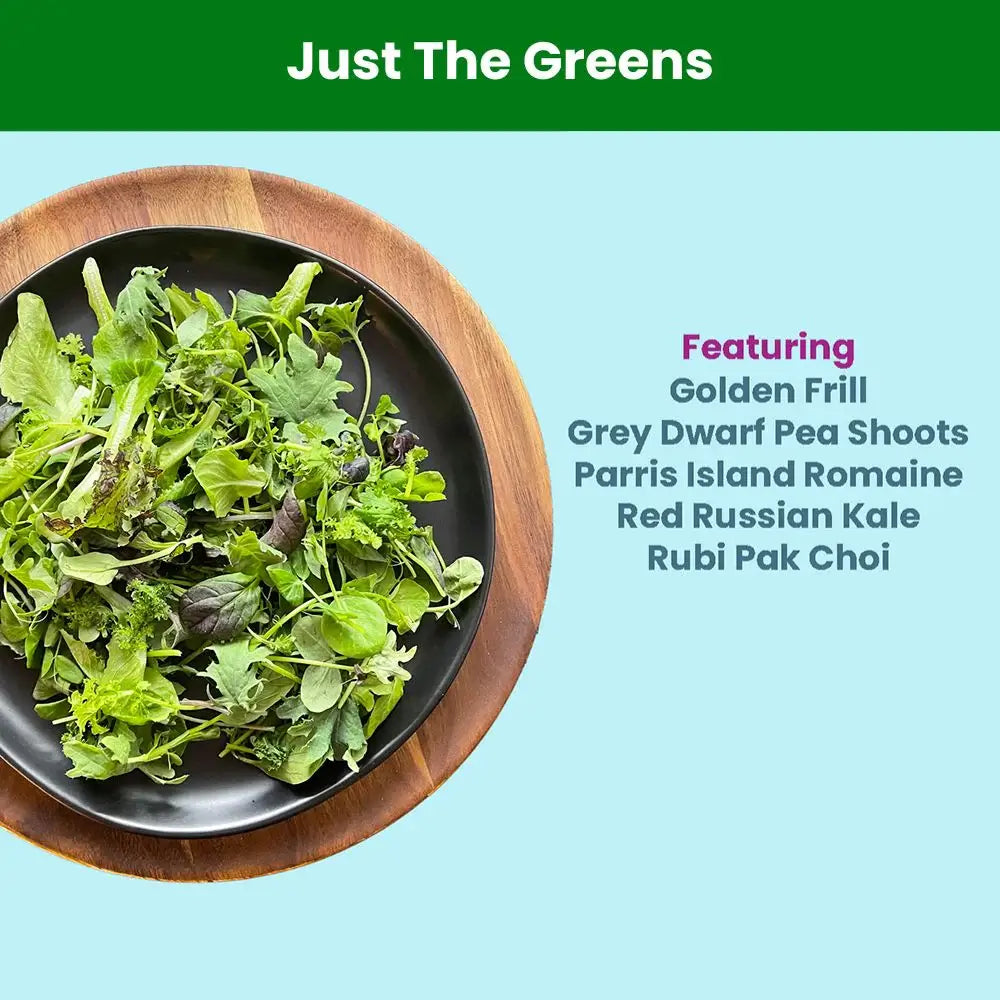
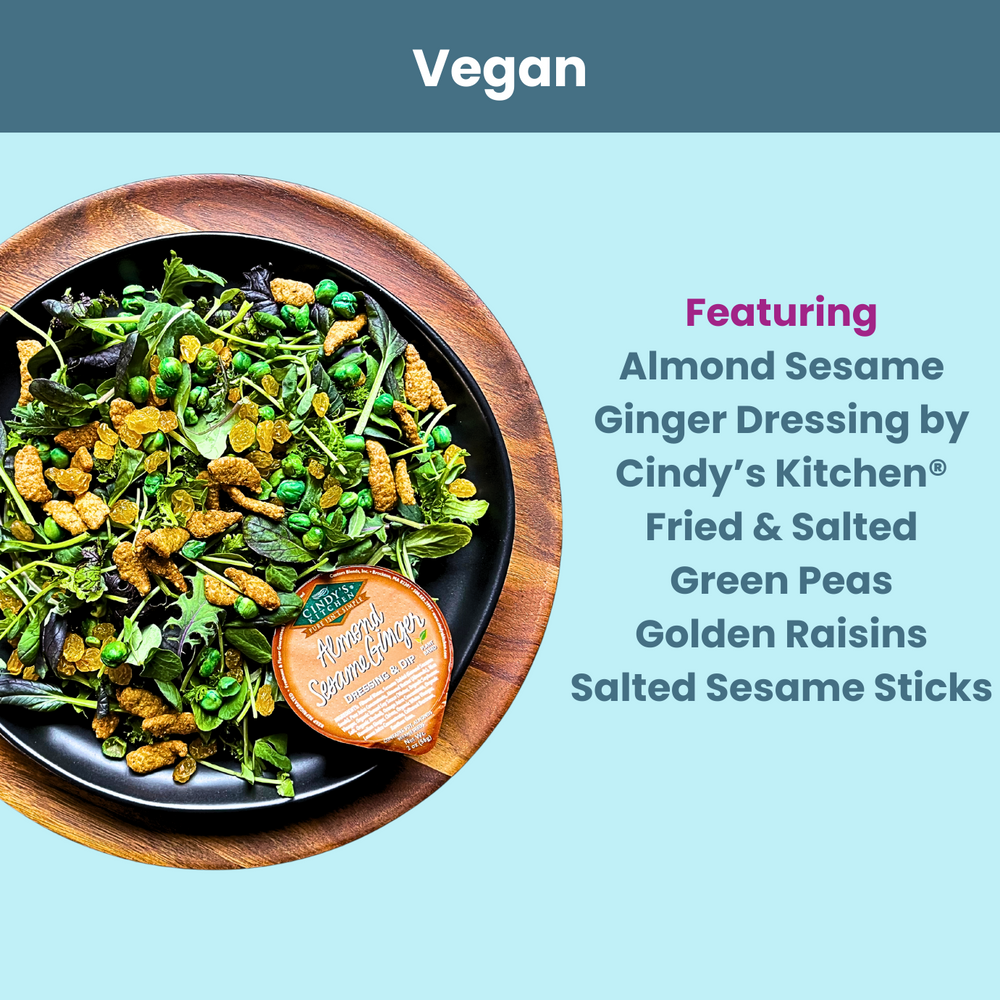
Planted Detroit products include 5 Variety Greens Mix, Garden Mix Microgreens, Broccoli Microgreens, and ready-to-eat options such as Sweet & Savory, Golden Sesame, and Protein Fusion. We grow the microgreens indoors in Detroit year-round.
How Farm-to-Fork Traceability Builds Customer Confidence
Traceability is straightforward. We want to understand where our food was grown, how it was handled, and how it moved from the farm to our fridge.
Local growing can make that journey easier to see. Planted Detroit connects its indoor operation with shorter food miles and local Detroit production.
Traceability gives us useful information without turning food shopping into detective work.
Which Planted Detroit Products Pass Through This Safety System?
The same indoor farm supports greens we use in everyday meals: 5 Variety Greens Mix for salads and bowls, Garden Mix Microgreens for eggs and sandwiches, Broccoli Microgreens for savory dishes, and ready-to-eat bowls such as Sweet & Savory, Golden Sesame, and Protein Fusion.
For us, the process matters when it connects to what lands on our table.


FAQs
What are food safety checkpoints for fresh greens?
They are steps used to prevent, monitor, and verify safety from incoming materials through delivery.
Why does indoor growing matter for greens safety?
It can reduce exposure to several outdoor conditions, including contaminated soil and irrigation runoff.
What is a seed-to-harvest safety process?
It is the seed-to-harvest safety process: checking seeds, water, growing conditions, people, equipment, and finished products throughout production.
Why Transparency Makes Fresh Greens Easier to Trust
For us, transparency is more useful than vague promises. The 2026 Cyclospora outbreak brought that question into sharper focus. Planted Detroit increased water sampling and worked with its testing partner to explore direct Cyclospora detection.
This openness makes safety from seed to salad easier to understand.
A Clearer Journey From Seed to Salad

The journey from seed to salad isn't a single check. It is a chain of decisions involving supplier review, seed testing, water monitoring, biosecurity, growing conditions, harvest handling, packing, and quality assurance.
Planted Detroit’s indoor farm model gives customers a clearer look at that process. For anyone who values farm-to-fork traceability and fresh greens grown close to home, understanding these food safety checkpoints can make everyday meals feel simpler and more informed.


